
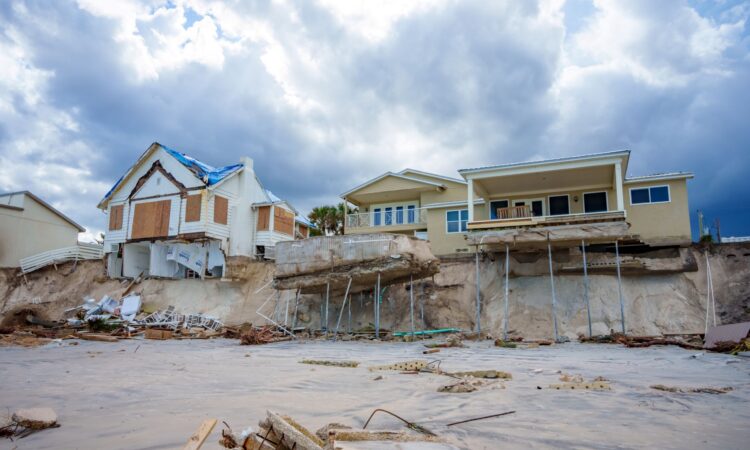
As extreme weather events become longer and more intense, insurance professionals in the United Kingdom have said the shifting climate poses a risk to their businesses.
What’s happening?
A press release from Deloitte, based on data from the Association of British Insurers, found that 2025 property insurance claims in the U.K. amounted to around £6.1 billion ($8.2 billion), with £1.6 billion ($2.2 billion) of those being weather-related claims.
That makes up 25% of all property insurance claims, with weather-related property claims in 2025 more than double the yearly levels insurance companies saw between 2017 and 2021.
An insurance partner for Deloitte U.K., Cherry Chan, stated in the release: “2025 is set to become the most expensive year on record for property insurers. With over a quarter of total property claims relating to weather, the industry continues to feel the impact of climate change.”
Why are higher insurance payouts concerning?
According to Forbes, rising global temperatures caused by human activity are responsible for at least one-third of all weather-related insurance claims this century. As humans continue to use energy sources such as coal and gas, temperatures worldwide will increase even more, leading to further escalation of extreme weather and weather-related claims.
As the insurance industry faces a surge in weather-related property claims, payouts will increase as well. The more insurance companies pay out, though, the more expensive it becomes for property owners to have property insurance.
Additionally, some insurance companies have begun closing out claims without paying the customer, sometimes at alarming rates; in Texas, nearly half of all claims in 2024 received no payout. Many property owners will no longer be able to afford property insurance if rates continue to rise and payouts don’t come through, resulting in an increase in those without insurance at all.
The rate of uninsured property owners is already high, too, especially as some insurance companies have dropped coverage altogether in areas at high risk of extreme weather.
What can be done about weather-related insurance claims?
Property owners can’t control the weather, but they can control how well-prepared their property is to handle extreme conditions.
Ensuring that a building contains impact-resistant materials, such as shingles designed to withstand strong winds, or adding flood protection measures, such as sump pumps and drainage systems, may reduce the need to file a claim.
Meanwhile, solar panels and battery storage can keep the lights on when the grid goes down, while also helping to reduce energy bills.
Insurance companies can increase client awareness on how to reduce storm damage and ensure that clients know exactly what is in their insurance policy so they can avoid any surprises.
Get TCD’s free newsletters for easy tips, smart advice, and a chance to earn $5,000 toward home upgrades. To see more stories like this one, change your Google preferences here.


