
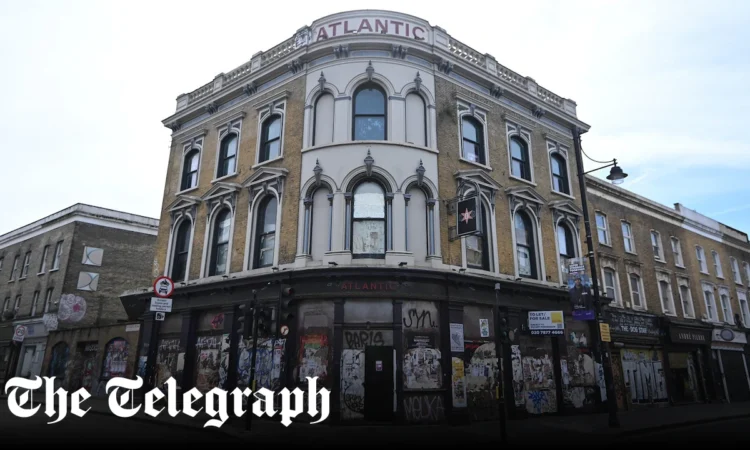
Goldenberg says the protracted process of gaining planning permission essentially “helps the squatters” because it means buildings are left vacant for longer.
“The rise of squatting is just a byproduct of a broken planning system,” he says, adding that the subsequent eviction process simply “piles extra costs on to the owners” who are often already grappling with soaring bills and must bear the burden of legal fees.
“It takes them longer to be able to start the development, their interest costs grow, they’ve got extra costs to try to get the squatters out – and this is when costs for development are growing all the time anyway,” he says. “People still think of property investors and developers as rich fat cats – and in most cases that’s not true.”
In response to the growing squatting problem, some owners have turned with greater urgency to guardianships as a way to protect their properties.
Guardianships offer “security through occupation”: a live-in guardian pays low rent to live temporarily in the vacant property, and in return, the owner receives protection from the rigmarole of squatters’ rights should they access the building. This is because the moment someone inhabits the space, it qualifies as “residential”.
This means owners can call the police, who will come and remove the squatters immediately, whereas if the building were empty it would be much more difficult to get them out, says Said Hamed, of Live-in Guardians, a service that connects property owners and live-in guardians.
Demand for guardianship from owners of pubs, empty offices and care homes in particular has jumped significantly in the past few years. Essentially, any type of business that is “struggling to run in the normal market conditions” is becoming interested in the service, Hamed says.
He puts the rise in squatting down to two factors: a spiralling rental crisis because of a lack of affordable housing, and the increasingly coordinated approach from squatters to identify and occupy vacant buildings.


