Iberá seeks to expand nature tourism in Corrientes with new investments and infrastructure projects
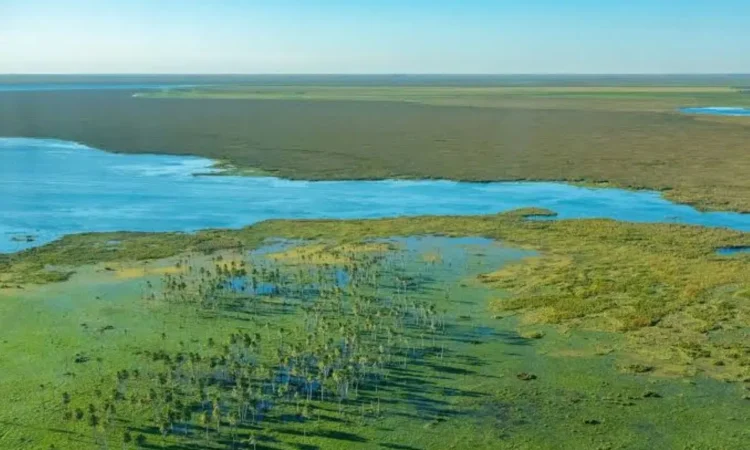
Corrientes presented the Iberá Plan 2026/2027, an initiative aimed at expanding tourism activity in one of the most important wetlands in South America, through investments in infrastructure, services, and proposals related to biodiversity.
The project aims to increase the number of annual visitors, from approximately 80,000 to 150,000 in the coming years. It also plans to strengthen local economies and promote job opportunities in the communities that are part of the tourist circuit.
The strategy involves 17 localities in Corrientes and proposes to improve the experience of those who travel the territory to observe wildlife, discover natural landscapes, and participate in outdoor activities.

New works to strengthen access and routes
Among the main initiatives announced is the construction of a landing strip in Carlos Pellegrini, as well as interventions in the Lobo Cuá Visitor Center and the incorporation of shelters for hikers.
New interpretation centers, improvements in trails, and accessibility works are also planned at different entry portals. This aims to facilitate the movement of tourists and expand the possibilities of exploring protected environments.
Additionally, the plan includes improvements in roads, incorporation of technology to manage activity, and new cultural proposals related to Guarani roots. It also includes training for tourism providers, cooks, and artisans, with the goal of strengthening community participation.
The Great Iberá, a territory of biodiversity and conservation
The Great Iberá constitutes an extensive system of wetlands, lagoons, marshes, grasslands, forests, and woods that hosts an extraordinary diversity of species. Its ecological importance lies in the water regulation, carbon storage, and refuge it offers to numerous wildlife populations.
Among its main attractions are the capybaras, caimans, marsh deer, howler monkeys, and a wide variety of birds. Additionally, visitors can enjoy boat rides, guided walks, and photographic safaris, activities that allow them to explore natural environments without directly disturbing the wildlife.
Furthermore, conservation programs and species reintroduction have positioned the region as a national benchmark for environmental recovery. These initiatives favor ecosystem restoration and enhance the educational value of tourism.

Tourism growth with environmental responsibility
The development of new facilities can contribute to job creation, diversify regional economies, and promote greater awareness of the conservation of wetlands.
However, the increase in visitors also requires planning, controls, and measures to avoid waste, pollution, animal disturbances, and trail deterioration.
Therefore, the challenge of the Iberá Plan will be to combine tourism growth with the protection of biodiversity, ensuring that investments and recreational activities contribute to preserving the natural and cultural heritage of the territory.