
April 24, 2026, 4:02 a.m. ET
Let me tell you a story about a house.
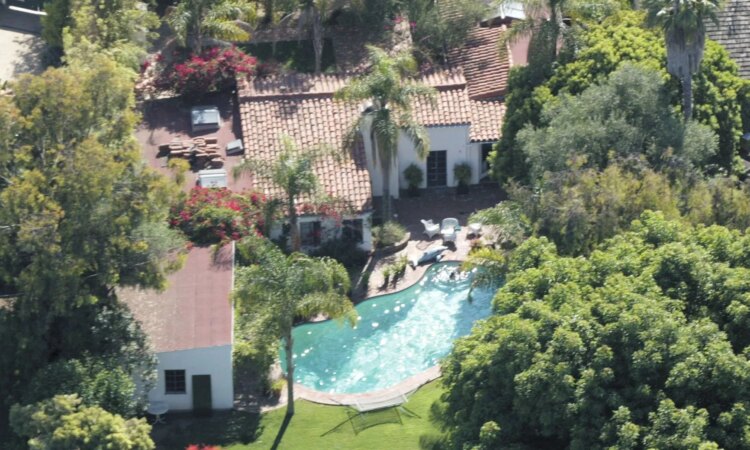
It’s a 2,300-square-foot Spanish-style house in Los Angeles. Over the past six decades, it’s had at least 14 owners and undergone major city-approved renovations.
Now it’s in disrepair and has sat vacant since 2019. In 2023, neighbors Brinah Milstein and Roy Bank bought it for about $8 million, planning to tear it down and make better use of the land next to theirs.
They did everything by the book – secured demolition and grading permits, spent about $30,000 preparing for the work.
Then the city changed its mind and revoked the permits.
Why? Because the house was briefly owned by Marilyn Monroe in 1962 – the year she died there.

More than 60 years later, the city decided that was enough to designate the property a “historical-cultural monument.” In 2024, it made it official.
This isn’t just odd. It’s government overreach and a violation of the Fifth Amendment, which says the government can’t take private property for public use without paying for it.
LA made private property unusable. That violates the Constitution.

The owners have been fighting Los Angeles for years. Earlier this year, they filed a federal lawsuit. Last week, Pacific Legal Foundation – a public interest firm that has taken property rights cases to the Supreme Court – joined the case, opposing the city’s motion to dismiss.
The filing puts the question bluntly: Can the city force private owners to preserve and maintain their property as a public monument, at their own expense, without compensation?
The lawyers’ answer: It cannot.
In plain terms, the city has effectively taken the property – not by seizing it, but by making it essentially unusable.
When the city began moving to designate the house a monument, a City Council member announced the effort by dressing like Monroe. This is Los Angeles, after all.
Trespassers started scaling the property’s high walls. The owners say they’ve had to hire security, at their own expense, to keep people out.
They tried to find a compromise. Early on, they offered to move the house off the lot to create a public museum – and to cover the cost themselves, but the city refused.
The Takings Clause, the lawsuit argues, requires the city to pay up if it wants to turn someone’s private property into a public monument.
Preserving historic spaces can’t trump private property rights

Historic designations are common, in Los Angeles and across the country. And preserving places of genuine significance can serve a public good, within reason.
This case shows what happens when that balance breaks down.
Pacific Legal Foundation attorney J. David Breemer told me that the homeowners want a simple choice: Use their property as originally permitted, or be compensated for turning it into a public monument.
Breemer argues the city’s actions are “tantamount to taking all the use and value of the property and physically invading it.”
“You’ve condemned it without condemning it,” he said.
The Fifth Amendment is clear. Take private property for public use, and you have to pay for it.
If Los Angeles wants to turn Monroe’s final home into a de facto museum, fine. It just can’t force private owners to foot the bill.
That’s not controversial. It’s the Constitution.

Ingrid Jacques is a columnist at USA TODAY. Contact her at ijacques@usatoday.com or on X: @Ingrid_Jacques


