hat settle by exchanging currencies and those that settle in cash, with a small exemption for trades under $1 million. It also closes a reporting gap: Indian banks have typically included overseas offices in their filings, while many foreign lenders reported only trades booked by their India units – leaving offshore activity undercounted.
Why should I care?
For markets: More transparency can reshape costs and controls.
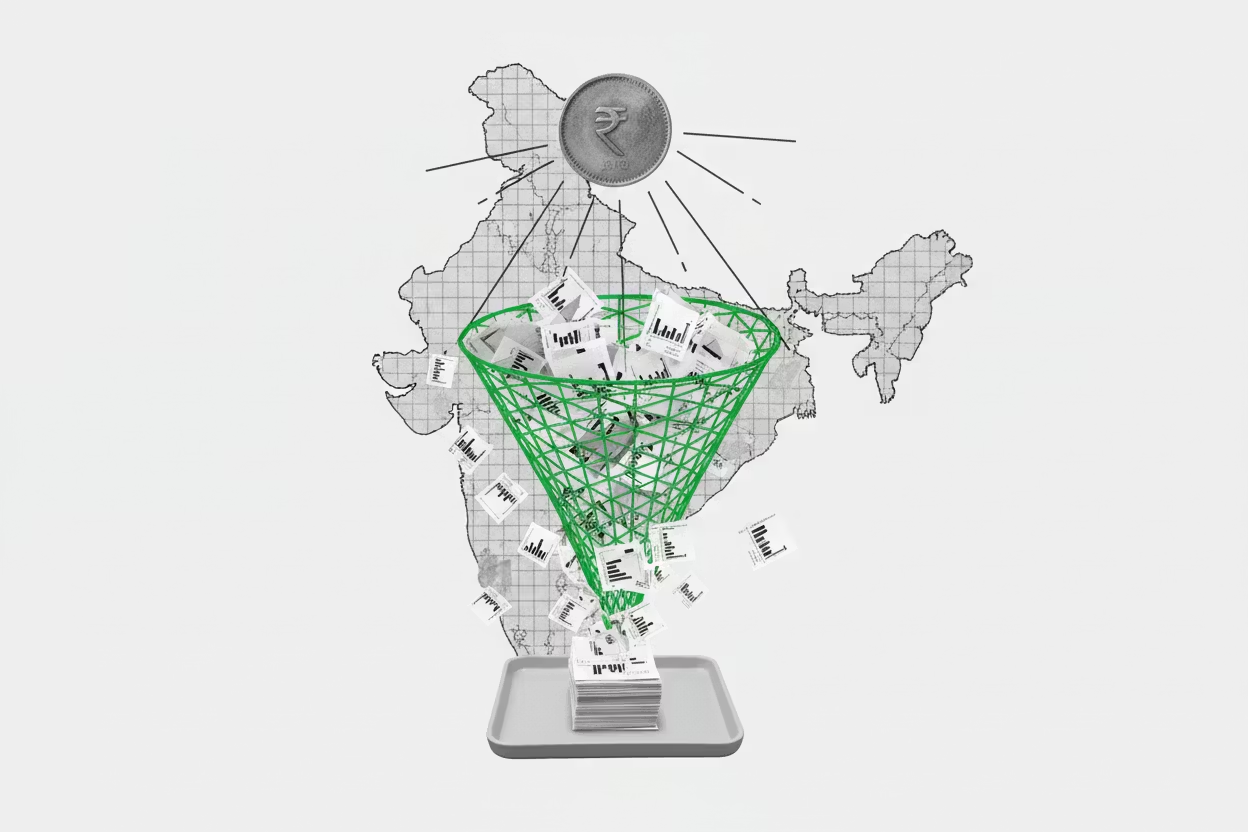
These derivatives help companies and investors manage currency swings, but they can also pile risk into corners regulators struggle to track. By pulling offshore trades into the Clearing Corporation of India’s database, the central bank should get a cleaner view of who’s exposed – which can translate into stricter expectations around paperwork, compliance, and data quality. The ramp-up is staged: parent entities must report from July 2027, while affiliates must cover at least 70% of offshore notional value then, rising to 80% in January 2028 and 100% by July 2028.
The bigger picture: India is strengthening the rupee market’s infrastructure.
Big currency markets tend to rely on detailed trade reporting so authorities can spot risk build-ups before they spill into the real economy. India is extending that playbook offshore, reducing blind spots created by global booking structures and uneven reporting between domestic and foreign banks. Over time, better data can make policy responses to currency stress more targeted – even if the smallest trades remain outside the net.