
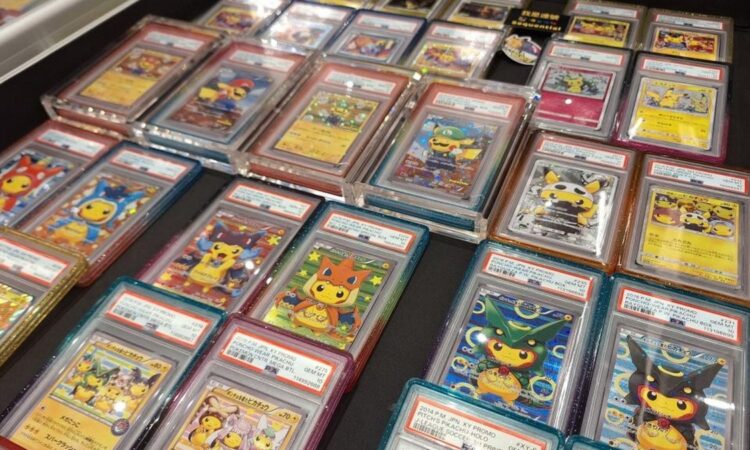
There is a particular kind of energy that enters a household when the weekend arrives and my two sons spread their collection across the library floor. It is a scene I suspect many of you recognize, a sea of vibrant holos and textured cardstock that has become the unlikely gold standard for a new generation. While I usually spend my days tracking the movements of the Hang Seng or the private equity markets, I find myself increasingly fascinated by the sheer velocity of the Pokemon hype.
It is a curious thing to watch your children navigate a market that has matured so rapidly. My boys have their binders, filled with cards that hold immense sentimental weight for them, even if they aren’t the six-figure rarities that make the headlines at Sotheby’s. They trade with an intensity that reminds me of my early days on the trading floor, debating the “stats” and the aesthetic “cool factor” with a sincerity that only the young can manage.
But as a father and a businessman, I look at the broader landscape with a more cautious eye. We have seen this before, haven’t we? The sudden explosion of a collectible into a speculative asset class. When a piece of printed cardboard begins to command the price of a mid-sized apartment in Mid-Levels, you know you are no longer dealing with a hobby; you are dealing with a mania. The “hype culture” that has fueled this rise is a double-edged sword. It brings excitement and a sense of community, but it also invites a volatility that can be bruising for those who enter late.
I haven’t gone out and bought them the blue-chip Charizards or the elusive Illustrator cards just yet. There is a philosophy to collecting that I want them to learn first: the joy of the hunt and the appreciation for the object itself, regardless of its “market value.” In our world, where everything is instantly appraised and liquidated, there is a quiet luxury in owning something simply because it brings you a sense of wonder.
Ultimately, whether it is a vintage Patek or a shiny Mewtwo, the principles remain the same. Real value is found in the rarity of the craft and the story behind the acquisition. I’ll keep a watchful eye on the auctions, of course – habit is a hard thing to break – but for now, I am happy to let them enjoy the game for what it is. In the end, the most valuable thing in that room isn’t the cardboard; it’s the hours of focused ambition and the shared quiet between two brothers.
Dixtionary is a global citizen and seasoned entrepreneur who views luxury through the lens of philosophy and heritage/ @dix.tionary


