
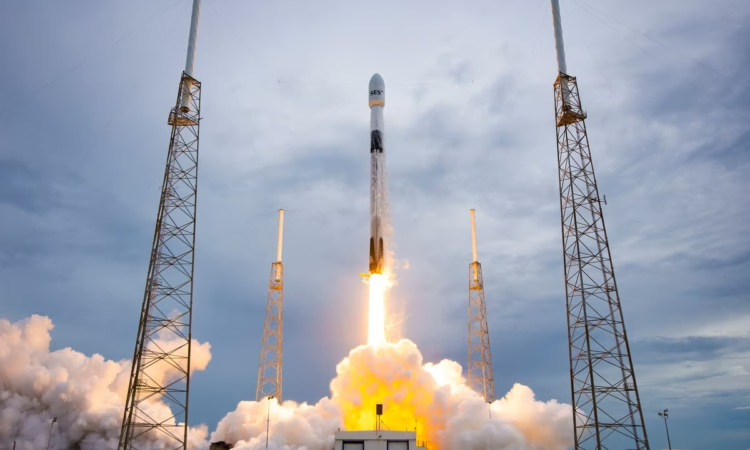
SpaceX is set to go public on Friday, becoming the biggest IPO on record.
The space exploration, satellite internet, and AI company led by Elon Musk is expected to raise $75 billion in its public offering at a valuation of $1.75 trillion. The company has already set the listing price at $135 a share, bypassing the traditional price discovery process that helps ensure initial investors are paying a fair price.
The offering is receiving an unusual level of support from big banks, as JPMorgan Chase and Bank of America have held events to sell the stock to both high-net-worth individuals and retail investors, and JPMorgan Chase CEO Jamie Dimon even hosted one such event.
So what will happen to SpaceX once it enters the public markets? Let’s evaluate some of the near-term catalysts facing the stock.
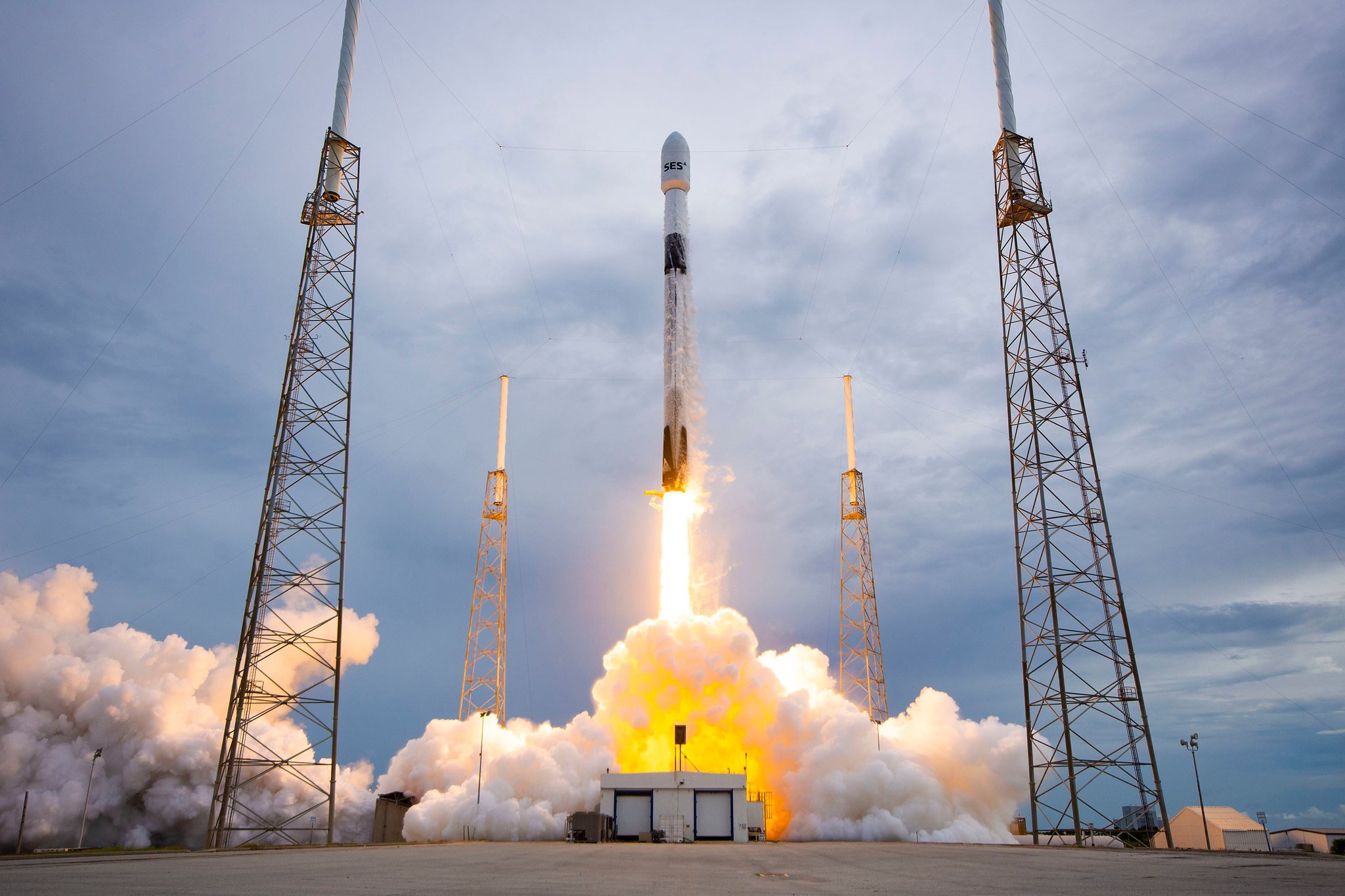
Image source: Getty Images.
What to expect when SpaceX goes public
SpaceX is going public at a time when the market is trading at a historically high valuation. The CAPE ratio is the second-highest it’s been in history, now approaching dot-com levels, and a convulsion in the market since last Friday’s jobs report has already sent tech stocks plunging.
SpaceX itself is also being valued at an astronomical ratio, trading at a price-to-sales ratio of roughly 100, higher than any S&P 500 stock or any company of a similar size at the time of its public offering. Meanwhile, SpaceX’s revenue growth is also slowing, rising just 15% in the first quarter to $4.7 billion, and it’s reporting wide losses following its merger with xAI.
Those factors are all likely to put downward pressure on the stock once it begins trading.
The bull case, meanwhile, is more based on the long-term prospects for the company, which aims to colonize space, among other goals like launching orbital data centers. SpaceX said it had an addressable market, based on future growth, of more than $27 trillion, nearly the entire current GDP of the U.S. Bulls like Ron Baron have said the company could reach a valuation of as much as $30 trillion in the next 10 to 20 years.
SpaceX’s valuation is based on the chance that it could achieve a mass-market breakthrough innovation that would deliver meaningful profits, rather than its current financial results.
Where SpaceX will be after a month
High-profile IPOs are often busts shortly after they go public, especially if they go public at a high valuation. Typically, the hype wears off after they begin trading and the stock pulls back. Three months after it had gone public, Meta Platforms, then Facebook, was down by roughly 50% three months after it went public.
Similarly, Uber was down by roughly a third three months after it went public in May 2019, and it continued to drift lower from there.
By forcing the $135/share price on investors, SpaceX is also further setting the stock up for failure, as investors have no say in that price. The last time the company raised money from investors in early 2023, SpaceX was valued at $137 billion, a fraction of what it is aiming for in the IPO.
At some point in July, I think SpaceX will fall as low as $75 a share, which would wipe off 44% from the IPO price, though that would still leave it with a market cap of nearly $1 trillion and a price-to-sales valuation of 60, as rich as almost any other stock on the market.
The combination of weakening financials, a sky-high valuation, its decision to set the offering price without input from investors, and signs of cracks in the broader bull market all point to a potentially steep decline for SpaceX when it goes public.
Whether the company will be successful in the long term will depend on its technological innovations, but even SpaceX bulls will likely get a better entry point by staying on the sidelines.


