

UK equities traded lower on Friday as investors digested fresh signs of softness in the housing market while keeping a close watch on escalating geopolitical risks in the Middle East.
The latest Halifax House Price Index showed that average UK property prices declined for a second consecutive month in May, falling 0.1% to £298,806. Annual growth remained subdued at just 0.5%, highlighting ongoing pressure on the residential property sector.
European Markets Open on the Back Foot
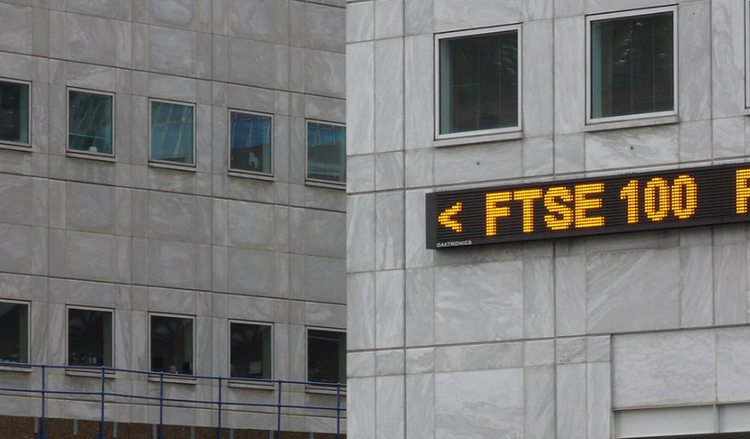
By 03:20 ET (07:20 GMT), the FTSE 100 was down 0.23%, while sterling traded little changed against the US dollar at 1.3439, up 0.08%.
Across Europe, Germany’s DAX fell 0.34%, while France’s CAC 40 lost 0.07%, reflecting broader investor caution.
Housing Market Continues to Face Affordability Pressures
The Halifax report pointed to persistent challenges for homebuyers, with elevated borrowing costs continuing to limit affordability.
Amanda Bryden, Head of Mortgages at Halifax, said “property price trends continue to reflect the uncertainty linked to developments in the Middle East,” adding that “higher inflation expectations have kept borrowing costs above the level seen at the start of the year, continuing to stretch affordability for many buyers.”
Regional disparities remained evident across the UK housing market. Northern Ireland recorded the strongest annual price growth at 7.8%, while London saw prices decline 1.5% to £534,375. South East England also experienced a notable fall, with values dropping 2.1% to £382,704.
Oil Market Jitters Add to Investor Concerns
Housing data arrived amid renewed volatility in energy markets, with Brent crude trading near $95 per barrel and heading for a weekly gain exceeding 3%.
The rise followed an explosion near Oman’s Mina al Fahal oil terminal, which temporarily disrupted loading operations at the country’s main crude export facility. If maintained through the end of the trading week, Brent’s advance would end a two-week losing streak.
Oman’s state news agency later reported that operations had resumed normally, citing Petroleum Development Oman, although authorities did not provide details regarding the cause of the incident.
Reuters had previously reported that the explosion near the terminal’s offshore loading facilities was believed to have resulted from a drone attack.
Strait of Hormuz Remains in Focus
Energy traders continue to monitor developments around the Strait of Hormuz, a critical route for global oil exports.
According to data from Lloyd’s List, Iranian crude exports fell 84% in May compared with the previous month and were 87% below their average level over the past year, reflecting increased US pressure on Tehran’s shipping activities.


