
The average value of a home in Britain edged down for a second consecutive month in May, despite the market continuing to show resilience, according to Halifax.
The latest Halifax data reveals prices fell 0.1% during the month, the same decline recorded in April.
The average home costs £298,806, while annual growth increased slightly from 0.4% to 0.5%. It follows a 0.6% fall reported by Nationwide earlier this month.
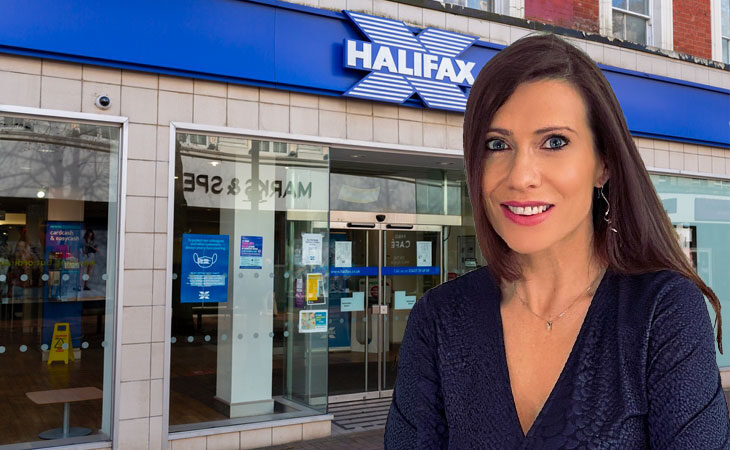
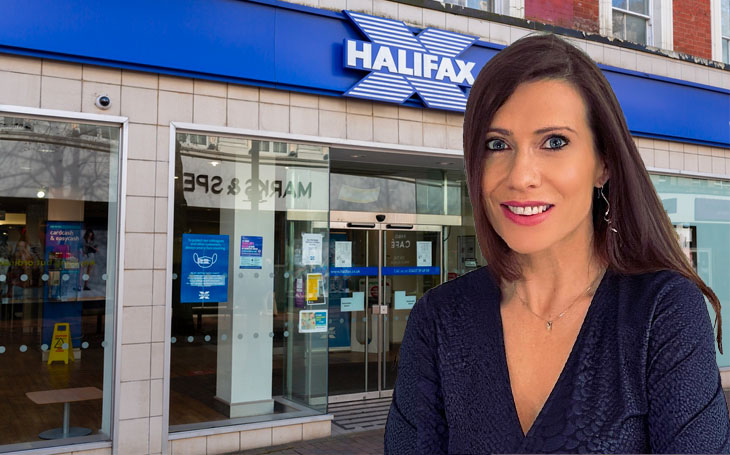
Amanda Bryden (pictured), Head of Mortgages at Halifax, says: “Property price trends continue to reflect the uncertainty linked to developments in the Middle East.
“Despite recent cuts to mortgage rates, higher inflation expectations have kept borrowing costs above the level seen at the start of the year, continuing to stretch affordability for many buyers and temper demand.”
Activity has held up well, reflecting the underlying resilience of the UK housing market.”
She adds: “Even so, overall activity has held up well, reflecting the underlying resilience of the British housing market. Latest industry figures show transaction levels remain relatively stable, suggesting buyers and sellers are still moving.”
Northern Ireland recorded the strongest annual growth at 7.8%, while the South East saw the biggest decline, with prices down 2.1% year-on-year.
Looking ahead, Bryden says: “Borrowing costs and consumer confidence are likely to continue shaping activity in the coming months, with house prices expected to be broadly stable while interest rates stay elevated.”
You can read the full report here.
Industry reaction

Amy Reynolds, Head of Sales at Antony Roberts, says: “The market is defined by a mismatch: cautiously-motivated sellers, cost-conscious buyers with genuine negotiating power, and a conveyancing system struggling to get deals over the line – a serious problem when mortgage rates can spike almost overnight.
“With the Bank of England meeting in a fortnight to review interest rates, an increase could shatter the cautious optimism we’ve seen over the past few weeks. This market needs stability, and it needs transactions – and frankly, so does the country.
“Stamp duty is a significant contributor to Treasury revenues, and with transaction numbers already under pressure, the tax take is falling. A cut in stamp duty would stimulate activity, protect jobs in the property supply chain and raise taxes. I suspect instead stamp duty will stay as it is, but the housing market is fragile and needs supporting.”

Verona Frankish, CEO of Yopa, says: “A cooling market isn’t the same as a cold market.
“Whilst house prices have remained largely flat in recent months, the fact that mortgage approvals have climbed to their highest level in more than a year tells us that buyers are still very much engaged.
“Stability may not grab the headlines, but it’s exactly what the market needs after a prolonged period of volatility.”

Nathan Emerson, CEO of Propertymark, says: “A dip in house prices both month on month and quarterly highlights the ongoing impact of affordability pressures on buyer behaviour, particularly as many households continue adjusting to higher mortgage repayments and wider cost-of-living concerns.
“Although demand has moderated, the market remains active, where sellers are willing to align pricing with local conditions. Buyers are becoming more selective, and professional guidance is increasingly important in helping transactions progress smoothly.”

Marc von Grundherr, Director of Benham and Reeves, says: “The housing market has become a marathon rather than a sprint, but buyers are still crossing the finish line.
“Whilst we’re not seeing the consistently strong monthly rates of growth seen in previous years, house prices continue to strengthen on an annual basis, and market activity remains remarkably resilient.”

Nicky Stevenson, Managing Director at Fine & Country, says: “A slight fall in house prices last month is a reminder that monthly readings can be uneven, particularly in a market that remains sensitive to mortgage pricing and the wider cost of living.
“However, it isn’t entirely unexpected, with Nationwide also reporting a fall earlier this week. Potential buyers may be tightening their purse strings and delaying a purchase, forcing sellers to be more flexible on their asking price.
“With confidence still being tested by global uncertainty and energy costs feeding into inflation expectations, it’s understandable that some buyers have taken a more cautious approach.
“Even so, the wider picture remains one of relative stability. Annual growth climbed to +0.5%, so a monthly dip does not point to a market falling away. Many existing homeowners are protected by fixed-rate mortgages, which continues to help prevent sharper adjustments.
“Earlier this week, Halifax announced rate cuts to help get more first-time buyers on the market, and it isn’t the only lender to trim rates on selected deals in recent weeks.
“The bottom line is that sellers need to be realistic when it comes to pricing. Where the valuation reflects local demand and affordability, transactions are still progressing healthily, it’s just taking a little more patience and flexibility.”

Jeremy Leaf, north London estate agent and a former RICS Residential Chairman, says: “Viewings, listings and even agreed sales may be holding up relatively well, but the difficulty in obtaining commitment due principally to worries over the Iran conflict impacting the cost of living, is starting to make itself felt.
“Most buyers are taking their time to try to ensure, as far as possible, they have found the right place and are not overpaying.
“As a result, prices are wobbling a bit, and transactions are taking longer to complete, which is increasing fall-throughs. We are finding, though, that some stability will certainly increase confidence in the medium to longer term.”

Tom Bill, Head of UK Residential Research at Knight Frank, says: “The seasonal spring bounce in the property market has fallen flat this year. Prices and transaction volumes have been squeezed by higher mortgage rates due to the Middle East conflict, and the inflation signals suggest that borrowing costs won’t drop meaningfully in the short term.
“Uncertainty around the political direction of the government and whether any future Chancellor could raise taxes further may also keep demand in check, which means we expect minimal UK house price growth of 1.5% this year.”

Iain McKenzie, CEO of The Guild of Property Professionals, says: “The latest Halifax figures reinforce the picture of a housing market that is proving remarkably resilient despite a challenging economic backdrop. While prices dipped marginally by 0.1% in May, annual growth has edged higher, and values remain broadly stable, demonstrating that underlying demand continues to support the market.
“Buyers are navigating a complex environment, with geopolitical tensions, inflationary pressures and higher borrowing costs all weighing on confidence. However, committed movers are still transacting, reflected in sales agreed running ahead of last year and mortgage approvals remaining close to long-term averages.
“There are reasons for cautious optimism. Inflation has eased from recent highs, and although expectations of future rate cuts have become less certain, lenders have continued to reduce mortgage rates in recent weeks as competition for business intensifies. This is providing welcome support for affordability and helping buyers who have been waiting on the sidelines.
“At the same time, an increase in the number of homes coming to market is creating greater choice for purchasers and helping sustain activity levels. That said, buyer demand remains softer than a year ago, and many households are still carefully assessing their finances, meaning realistic pricing will remain critical for sellers.
“Looking ahead, the market appears well balanced rather than booming or declining. Transaction levels are holding up in line with seasonal expectations, but ongoing uncertainty surrounding inflation, interest rates and wider global events means the housing market is likely to continue its steady, measured path through the remainder of 2026.”

Chris Hodgkinson, Managing Director of House Buyer Bureau, says: “The biggest gap in today’s market isn’t between supply and demand, it’s between buyer budgets and seller expectations.
“Buyers are continuing to move, but they’re negotiating harder than they have for years, and they’re unwilling to overpay. Sellers who remain anchored to yesterday’s market values risk spending longer on the market and accepting a lower offer further down the line.”

Jason Tebb, President of OnTheMarket, says: “Despite political uncertainty and challenging economic conditions, needs-driven buyers and sellers who may have delayed making moving decisions last year are focused on transacting.
“While affordability concerns remain, easing mortgage rates are helping focus minds, with borrowers adapting to shifting market conditions and securing cheaper rates while they are available.
“Little movement in average house prices suggests buyers and sellers are adopting a pragmatic outlook and adjusting expectations, rather than a loss of confidence. “Steadier prices are better as far as those trying to get on the ladder for the first time are concerned, as there is less risk of being priced out further, although Halifax notes that their numbers are a little subdued.
“This is the strongest buyers’ market we have seen in many years, with plenty of stock to choose from.”

Mark Harris, Chief Executive of mortgage broker SPF Private Clients, says: “As Swap rates, which underpin the pricing of fixed-rate mortgages, continue to fall, so lenders continue to trim their mortgage rates, which is helping ease affordability.
“However, the steadiness in house prices suggests buyers are still prepared to negotiate hard and are not willing to pay over the odds.
“First-time buyers will be encouraged as house prices remain steady rather than soar. Lenders are working hard on offering solutions to those trying to get on the ladder for the first time, which is leading to a small improvement in their numbers.”

Tomer Aboody, Director of specialist lender MT Finance, says: “With rates and inflation still unsettled and on the higher side, buyers are trying to stay active. More activity in the market is being encouraged as more sellers are coming to the market, and buyers finally having some stock to look at.
“With the macro climate still uncertain and rates potentially going to be higher by the end of the year, buyers are not wanting to hang around and wait.”


