
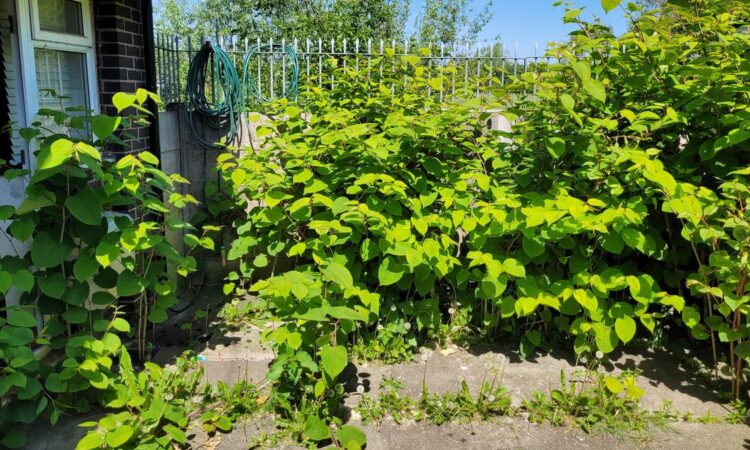
A property expert explains what to do if you spot the invasive plant in your garden

Japanese Knotweed is one of the most invasive species of plant in the UK(Image: Environet)
Homeowners are being urged to check for signs of Japanese knotweed in their gardens and know their legal rights as we enter peak growing season this June.
Japanese knotweed is the most common of four invasive knotweed plant species in the UK, and is also listed by the World Conservation Union as one of the world’s ‘most invasive species’, which can damage concrete, roads and buildings.
The plant can be difficult to spot, but it will likely have red or purple shoots in the spring, or creamy white flowers, hollow, bamboo-like stems and heart-shaped leaves. Those who notice the knotweed on their property or in their garden should be aware of the rules and know what to do to prevent it from spreading and causing structural damage.
Get MEN Premium now for just £1 HERE – or get involved in our WhatsApp group by clicking HERE. And don’t miss out on our brilliant selection of newsletters HERE.
Amid a surge in Japanese knotweed spreading rapidly across the UK, a property expert has warned that tackling the plant yourself could land you a £5,000 fine or imprisonment.
Jack Malnick, managing director of Sell House Fast, explains how much it costs to remove knotweed, what to do if a neighbour’s knotweed enters your garden, and the gardening mistake that could cost you £5K or imprisonment.
“Japanese knotweed is one of the UK’s most problematic weeds that can spread up to seven meters long, take up to three years to treat and can drastically reduce a property’s market value,” says Jack.
“Even if treated, this highly invasive plant can still deter potential buyers. It may be tempting to cut costs and remove knotweed yourself, but this could have disastrous consequences for your property value as well as impact your finances and you legally.
“It is advised not to attempt a DIY removal, due to the environmental restrictions for disposal. Removal costs depend on the size of the infestation, treatment method, and site access.”
According to the expert, excavation can cost £1,000+ per visible square yard, herbicide treatment programmes typically cost £2,000 to £5,000, and large or difficult sites with access or landscaping issues can exceed £10,000.
“The UK average house price is currently around £267,957.2 Estimates from Environet suggest Japanese knotweed can reduce property values by at least 5 per cent, meaning that homeowners could, at best, lose around £13,400 in value alone,” Jack adds.
“However, with potential treatment costs of up to £10,000 or more for severe cases, early treatment is usually far cheaper than leaving the infestation unmanaged.”
The Wildlife and Countryside Act 1981 makes it an offence to plant or cause Japanese knotweed to grow in the wild. Offenders may face fines of up to £5,000 and/or six months’ imprisonment, or on indictment, up to two years’ imprisonment and an unlimited fine.4
“Government guidance says that the plant must be transported only to specially licensed landfill or incineration facilities authorised to handle hazardous invasive waste. Failure to do so risks not only environmental pollution but prosecution under UK law,” Jack adds.
What to do if a neighbour’s knotweed enters your garden
“If Japanese knotweed from a neighbouring property spreads onto your land, you are not liable,” Jack explains. “In fact, you may be entitled to claim damages.”
According to a key Court of Appeal ruling, it was confirmed that:
- Landowners can be held responsible for allowing Japanese knotweed to spread
- You can pursue compensation for loss of value and the cost of removal
- Claims may still succeed even where knotweed has been present for many years.
“Start by raising the issue with your neighbour, explaining their liability and ensuring they carry out professional removal,” the expert advises.
“If your neighbour is uncooperative, you can contact the council’s Japanese knotweed team or environmental services to escalate the issue.”


