
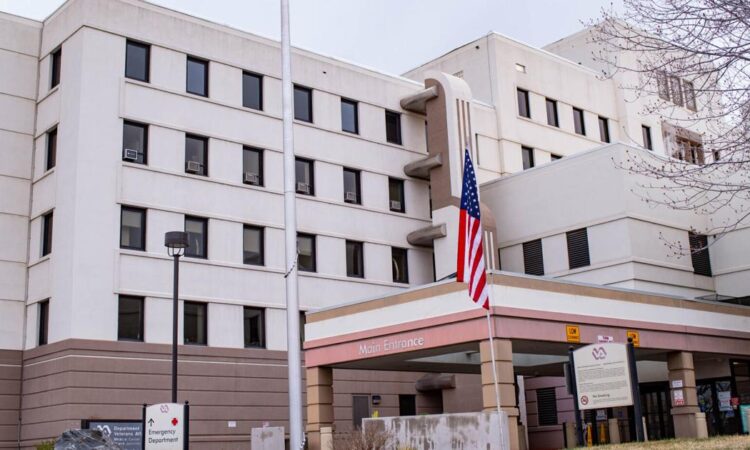
The U.S. Department of Veterans Affairs reported a “record-high” $44.8 billion investment in local healthcare providers through its Veterans Community Care Program.
In total, 2026 program spending increased $7 billion from 2025 and more than $11 billion from 2024. The multi-billion-dollar sum reflects 68.1 million community care appointments.
According to the Thursday, Nov. 19, press release, the VA’s 2026 fiscal year payments reflect continued growth since the VA MISSION Act established the program in 2018.
“The bipartisan MISSION Act gave eligible Veterans the choice to get their healthcare when and where it’s best for them — whether at a VA facility or a community provider,” VA Secretary Doug Collins said. “Under President Trump, we’re working every day to provide Veterans with the healthcare choices Congress guaranteed them.”
The Veterans Community Care Program benefit allows roughly 9 million eligible veterans to seek care from authorized local non-VA healthcare providers if they obtain prior authorization from a VA provider and meet one of the following criteria:
The VA does not already provide the service.
The veteran resides in a state or territory without a full-service VA health facility.
The veteran and VA provider agree that seeking care beyond the VA is in their “best medical interest.”
The VA cannot provide the needed service “in a way that meets our quality standards”
The veteran qualifies under the 40-mile distance requirement, which includes residents of Alaska, Montana, North Dakota, South Dakota and Wyoming.
The VA cannot provide required care within its drive and wait-time standards — a 30-minute drive or 20-day wait for mental health, primary care and extended outpatient care; and a 60-minute drive or 28-day wait for specialty care.
Of the nearly $45 billion spent on community care programs in 2026, the VA said $31.2 billion went to hospitals and physicians, $6.2 billion to home-based care, $5.4 billion to state and community nursing homes and $2 billion to dental care providers.
Spending varied by state, with the top five being Texas ($4.1 billion), Florida ($3.5 billion), California ($2.5 billion), North Carolina ($1.9 billion) and Ohio ($1.6 billion).
Colorado ranked No. 25 for the highest spend last fiscal year with $695 million, an increase of $189 million from 2024. In the same period, Florida’s spending rose by just under $1 billion.
“While community care is an important option for many veterans, VA is also spending record amounts of funding to support direct care, including a record-high $116.7 billion in FY 2026,” the press release stated.
The VA added that it has continued improving the delivery of care and benefits to veterans in many other ways, such as enrolling 330,000 new veterans in healthcare this year, opening 47 new VA healthcare facilities and achieving yet another “record-high” of 82.7 million direct care appointments (up nearly 5% from 2024).