

Brazil’s White Martins is moving forward with green hydrogen projects in Latin America.
The company of the German group Linde recently inaugurated a plant in the municipality of Jacareí, in the state of São Paulo, Brazil. The facility – its second in the country – will supply 800 tons per year of the input to customers in the Southeast region.
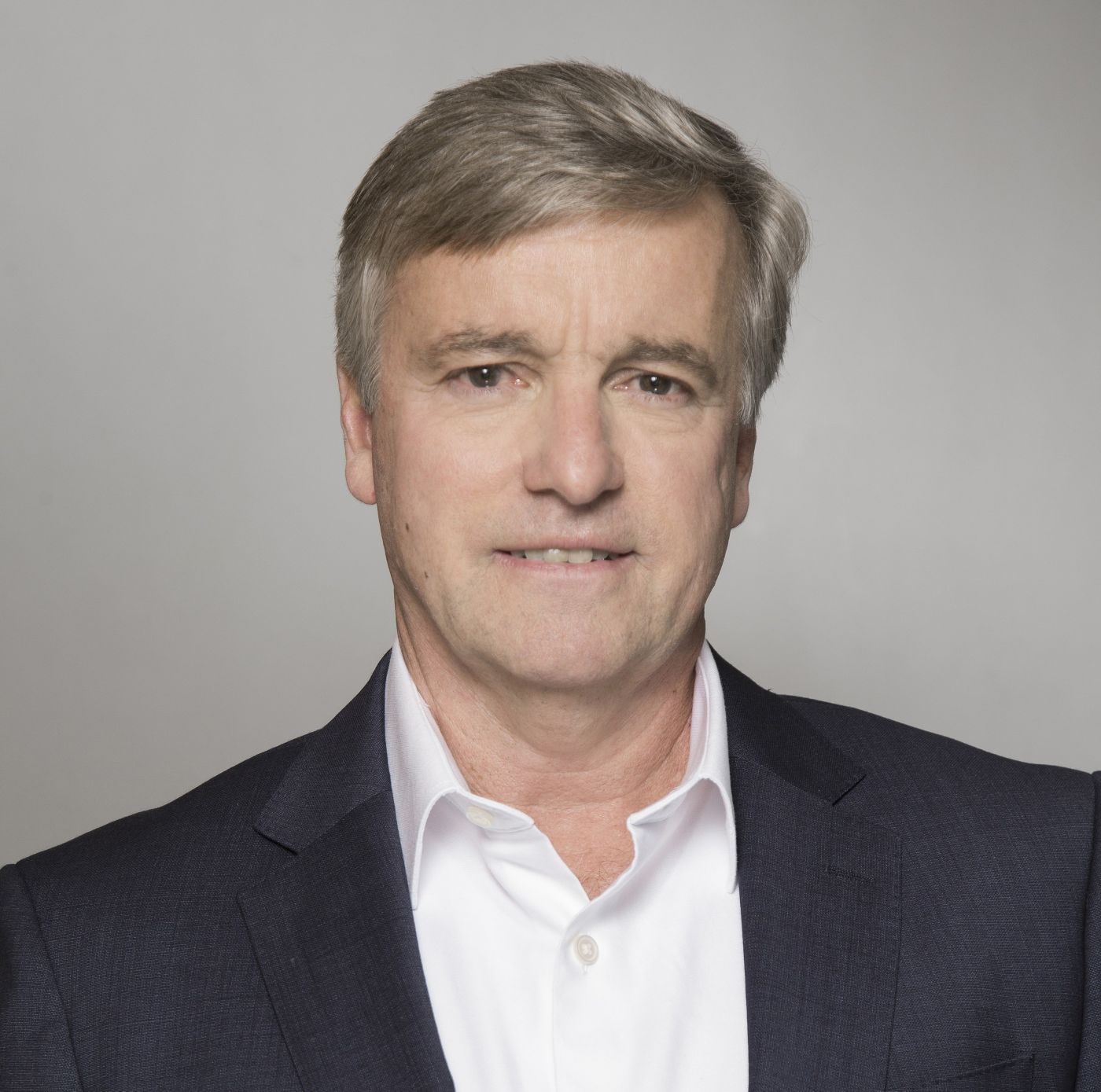
In an interview with BNamericas, the company’s president in Latin America, Gilney Bastos, said that there are plans to invest in new ventures in Brazil, Chile and Uruguay.
BNamericas: What reasons led White Martins to invest in the Jacareí green hydrogen plant?
Bastos: Contributing to the decarbonization of Brazilian industry is part of White Martins’ business strategy, and green hydrogen plays an important role. Many companies want to have sustainable products, but are still concerned about costs and feasibility. With this new plant, these potential customers will realize that it is possible, that this solution is becoming a reality.
We applied our expertise in the development of this project with the goal of enabling supply at competitive prices for the Southeast region market, which is the industrial heart of the country.
In our case, green hydrogen contracts are being closed at the same values as gray hydrogen contracts, which is produced from natural gas. This is possible because we rely on self-generation of renewable energy and extensive experience in large-scale industrial gas production, in addition to a natural gas price in Brazil at an appropriate level.
BNamericas: Where does your renewable energy come from?
Bastos: We have around 100MW of wind power from a Serena park in Chuí, in Rio Grande do Sul, and 130MW of solar power from the Eneva Futura I complex in Juazeiro, in Bahia.
BNamericas: Did government incentives, such as subsidies or tax exemptions, contribute to your investment decision?
Bastos: We are being pioneers and have moved forward with green hydrogen projects even without these incentives being regulated yet. We were the first company to sign memorandums with the states of Ceará and Rio Grande do Sul, the latter currently being renewed. We are also renewing the memorandum with the state of Rio de Janeiro.
White Martins remains attentive to the increase in domestic and international demand and ready to invest even more in this market. In any case, we emphasize the importance of regulation for the development of green hydrogen in the country.
BNamericas: Is the company considering making new investments in the green hydrogen area? Are there projects being implemented?
Bastos: Green hydrogen is a strategic market for White Martins. We were pioneers with our plant in Pernambuco, in December 2022. At that time, we became the first company to produce certified green hydrogen (H2V) on an industrial scale in South America.
We have now expanded to Jacareí, which is the first facility to offer green hydrogen to the Southeast region. We are always alert to new opportunities, and our goal is to implement even more projects like these in Brazil.
BNamericas: Do you consider the possibility of investing in green hydrogen in other Latin American countries?
Bastos: Yes. We are developing green hydrogen projects in countries such as Chile and Uruguay. In both cases, the projects are progressing consistently. They are currently under review by the technical areas and, subsequently, will move on to the economic validation stage.
Unlike our plant in Jacareí, these projects are focused on exports, which makes defining the offtakers fundamental to their implementation. Although the projects are at different stages of development, we have an optimistic outlook that over the course of 2026 we will achieve significant progress.
BNamericas: What are the main technologies, goods, and services needed to make the construction of new plants viable?
Bastos: White Martins has a team dedicated to business development in the green hydrogen area that works in an integrated way with Linde’s research and engineering centers, our parent company, which has 230 hydrogen plants, 15 of which are green hydrogen, in countries such as the United States, Germany, Singapore, China, and Malaysia.
Located in Germany, the Linde Technology and Engineering Center is a continuous source of updates and improvement for our teams. The technology used in the new plant is the same as that used in countries in Europe, North America, Asia, and Oceania. In all our projects, we use state-of-the-art technology, chosen according to the project’s needs and the best results for production processes.
BNamericas: Is the company considering supplying green hydrogen to the oil and gas exploration and production (E&P), refining, and petrochemical segments? Are there ongoing negotiations in this regard?
Bastos: Yes, we are always ready and willing to develop projects with any sector of the industry, as long as there is feasibility. Among those mentioned, more recently, we have been having conversations solely with the petrochemical sector, but we have also had some contacts for the refining sector. Unfortunately, we cannot provide details about these negotiations yet.
(The original version of this content was written in Portuguese)


