
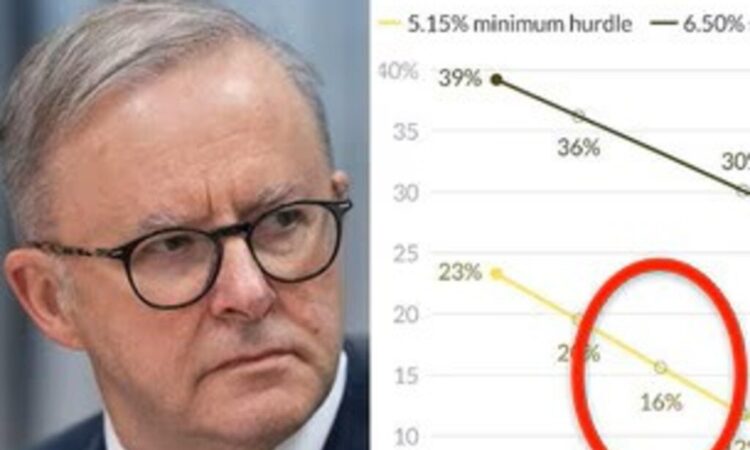
Home prices may need to fall as much as 27 per cent even if rents surge another 20 per cent for some investments to become self-funding under the new negative gearing rules.
And if property prices hold steady, tenants could be the ones to feel the pain, with rents across the capital cities needing to jump about 30 per cent from current levels to make investing attractive again.
New Ray White analysis attempts to calculate how far property prices and rents may need to move to entice investors back into the market following the federal budget decision to remove negative gearing for established properties.

Ray White research reveals home prices may need to fall 27 per cent for investors to get back into the market.
Investor activity fell sharply following the May 12 Budget, with the number of new investor loan commitments dropping 8.6 per cent in the June quarter and the value of lending falling 10.2 per cent.
The analysis comes as data shows the gross rental yield across the combined capital cities was 3.95 per cent in July.
It estimates yields would need to rise to about 5.15 per cent to compensate an investor on the top marginal tax rate for the loss of negative gearing, based on an 80 per cent loan-to-value ratio, a 6.5 per cent mortgage rate and operating costs equivalent to 20 per cent of rent.
MORE NEWS: Park that! Crazy cost to park in Aussie cities revealed
Industrial to $11m sale: Buyer sets off-the-plan suburb record
‘I burst into tears’: B105 radio star’s emotional goodbye
Ray White chief economist Nerida Conisbee said that if property prices remained unchanged, rents would need to surge about 30 per cent to achieve that yield.
Alternatively, with rents unchanged, property prices would need to fall about 23 per cent, she said.
But the adjustment required to make an investment effectively self-funding would be significantly greater.
Ray White Chief Economist Nerida Conisbee.
The analysis estimates a gross yield of about 6.5 per cent would be required for rental income, after operating costs, to cover interest on an 80 per cent mortgage.
Even if rents climbed 20 per cent, property prices would need to fall about 27 per cent to reach that threshold.
Brisbane currently has the lowest yield of any capital city at 3.5 per cent. With rents unchanged, Brisbane property prices would need to fall about 32 per cent to reach the estimated 5.15 per cent investment hurdle.
Sydney prices would need to fall about 28 per cent from the city’s current 3.7 per cent yield.
Melbourne is considerably closer, with its 4.5 per cent yield requiring either rents to rise about 12 per cent or property prices to fall about 11 per cent.
Darwin is the major exception, with its 6.4 per cent yield already above the estimated minimum hurdle and just shy of the 6.5 per cent self-funding threshold.
Louis Christopher, SQM Research managing director.
“The adjustment is likely to occur through both sides of the market,” Ms Conisbee said. “Slower growth in rental supply supports rents, while softer investor demand can moderate prices.
“Together, those movements lift rental yields and gradually improve the investment equation. The end result is unlikely to be driven by rents rising or prices falling alone, but by a combination of the two that eventually makes property investment more attractive again.”
It comes as new figures from SQM Research reveal national advertised rents remained across the capital cities increasing 0.2 per cent over the past month and are 7.2 per cent higher year-on-year.
The national combined rent average now stands at $698 per week, while the capital city average sits at $796 per week.
“The rental data continues to show significant pressure on tenants,” SQM Research founder Louis Christopher said. “National asking rents are now 7.2 per cent higher than a year ago, and we are seeing particularly strong annual increases in Darwin and Hobart, where vacancy rates remain very low.
“There are some signs of moderation in markets such as Sydney, where asking rents have eased over the month, but this is not yet a broad-based easing in rental conditions. Brisbane, Perth and several of the smaller capitals continue to record very limited rental availability.”


