
TRUSTMONT CAPITAL LTD and Mariia Hrechko: how to invest in foreign real estate — Forbes.ua

In recent years, these very destinations became popular with Ukrainians looking for ways to preserve and grow their savings. Not all of them saw their expectations met.
Maria Hrechko has worked in real estate investment for more than eight years. In 2026, she founded TRUSTMONT CAPITAL LTD, a consultancy that advises clients on overseas property transactions.
How should you choose a market abroad, and which risks should you weigh before signing a deal? Maria Hrechko shared her views in an interview with Forbes BrandVoice.
A Career in Real Estate
How did your career begin, and how did your approach to real estate take shape?
Almost my entire professional life has been tied to real estate. I started out in the Ukrainian market, Kyiv in particular, and later moved into overseas property and international investment projects.
At every stage, I was interested in real estate not as a product but as an investment asset. I studied investment strategies, analyzed deal outcomes, and talked to people who invest systematically. And each time, I tried to understand why one investment delivers the expected result, and another doesn’t — how much depends on the choice of market and property, the timing of entry, the deal structure, and the exit strategy.
That is how my approach took shape: real estate isn’t square meters to be sold to a client — it’s an investment instrument. Every decision starts with the investor’s strategy, a risk assessment, and a clear understanding of how the capital will work and what the exit will look like.
How did you make the move from the Ukrainian market to international real estate, and what did that experience teach you?
In 2022, when the full-scale war broke out, I was forced to leave Ukraine and continued my work in the international market. Turkey came first, and other overseas markets followed.
That period gave me invaluable hands-on experience: I watched market cycles play out from the inside. I saw markets surge on a wave of strong demand and then go through a correction. I saw which investor decisions made money and which ones wiped out capital.
That’s when I grasped one of the key lessons: a rising market does not, in itself, guarantee a successful investment.
Even in a booming market, you can pick a project that fails to deliver the expected capital growth. Conversely, even in a downturn, some high-quality assets stay in demand and keep appreciating.
So my focus shifted from the question ʼWhich market is growing right now?ʼ to a far more important one: why should this particular asset increase in value, who will drive demand for it, and how will the investor be able to exit?
In 2026, you founded TRUSTMONT CAPITAL LTD. Why did you choose a UK jurisdiction?
For two reasons. First, our clients aren’t only Ukrainians but also Britons, other Europeans (especially from the Baltic states) and Israelis. For many of them, a UK jurisdiction is first and foremost a matter of trust.
Second, I identify with the British approach to communicating with investors. In Ukraine, investment property advertising is often aggressive: percentage yields, guaranteed income or price growth are pushed to the fore, while the risks take a back seat. In the UK, the rules for promoting investment products are much stricter: information must be clear, fair and not misleading, and risks can’t be buried under marketing promises.
I’d like to see Ukraine’s communication culture move in the same direction: first explain the deal structure and the risks to the investor, and only then the potential returns.
That said, we are not an investment fund, and we don’t take client money under management. TRUSTMONT CAPITAL acts as a consultant and intermediary in international real estate.
Three Investment Strategies
What are the most common mistakes Ukrainian investors make when entering overseas property markets?
The first mistake is not having a clear investment strategy. Choosing a property should start not with a country or an attractive project, but with the investor’s goal. Properties for rental income, for capital preservation, and for capital growth are different assets with different selection criteria.
The second is applying a strategy that worked in one country to another market. In Turkey, I watched investors buy off-plan in order to resell once the project was completed. In Ukraine, this model worked well thanks to strong domestic demand. But in many of Turkey’s resort areas, demand depended heavily on foreign buyers. When the rules for obtaining a residence permit through property purchase changed, demand dropped — and a strategy that had seemed obvious stopped working.
The third is taking projected price growth at face value. A property’s value may rise by 20%, 30% or more on paper, but that doesn’t mean the investor has actually made that money. Real profit only materializes when there’s a buyer willing to pay the new price. That’s why, for me, the key question isn’t just ʼHow much could the property appreciate?ʼ but also ʼWho will the investor be able to sell it to, and at what price?ʼ
So which strategies should investors consider, and where do you start when working with a client?
There are three main strategies: capital growth, where the investor counts on the property increasing in value; passive income, where they earn from rent; and diversification, where they expand their portfolio into a new country or a different type of property.
We start by defining the investor’s strategy — in other words, the purpose of the investment. That determines which markets and property types are the right fit. Next, we establish how much risk they are prepared to take on.
Risk has a direct bearing on the choice of a specific asset and the timing of entry. An investor with a high risk tolerance may come in at a very early stage of a project, aiming for higher potential returns. A conservative investor, by contrast, will opt for a completed property or a project in its final stage: some of the risks have already been taken off the table, but the upside is usually lower too.
So the same strategy can be implemented through assets with different risk profiles.
Our job is to strike a balance between the investor’s goal, the potential return, and the level of risk they are willing to accept.
We can’t guarantee returns — we can only provide a forecast.
Which overseas markets, in your view, have potential for capital growth today?
property. Among those we currently see as promising in terms of appreciation are Montenegro and certain regions of Greece, while Albania has been one of our recent discoveries.
In Montenegro, the government restricts the number of building permits it issues, so there is no construction boom, and demand outstrips supply. Prices there are still lower than in neighboring Croatia. The entry point starts at $120,000, and the investment horizon is typically one to three years. Albania gets little attention, and entry prices there are still low.
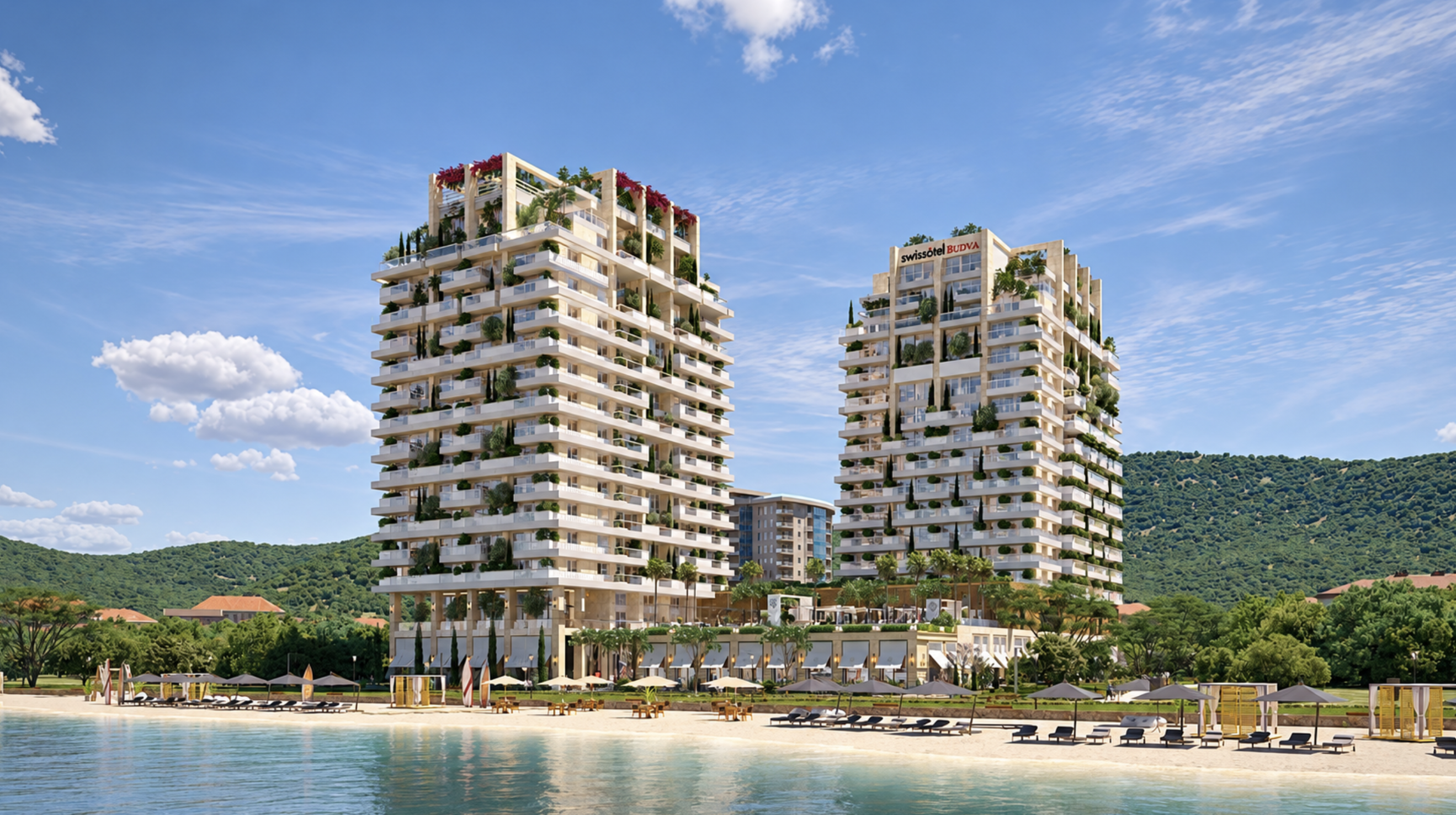
Rendering of Riviera Montenegro (Swissôtel Budva), Montenegro. Courtesy of TRUSTMONT CAPITAL LTD

Rendering of Riviera Montenegro (Swissôtel Budva), Montenegro. Courtesy of TRUSTMONT CAPITAL LTD
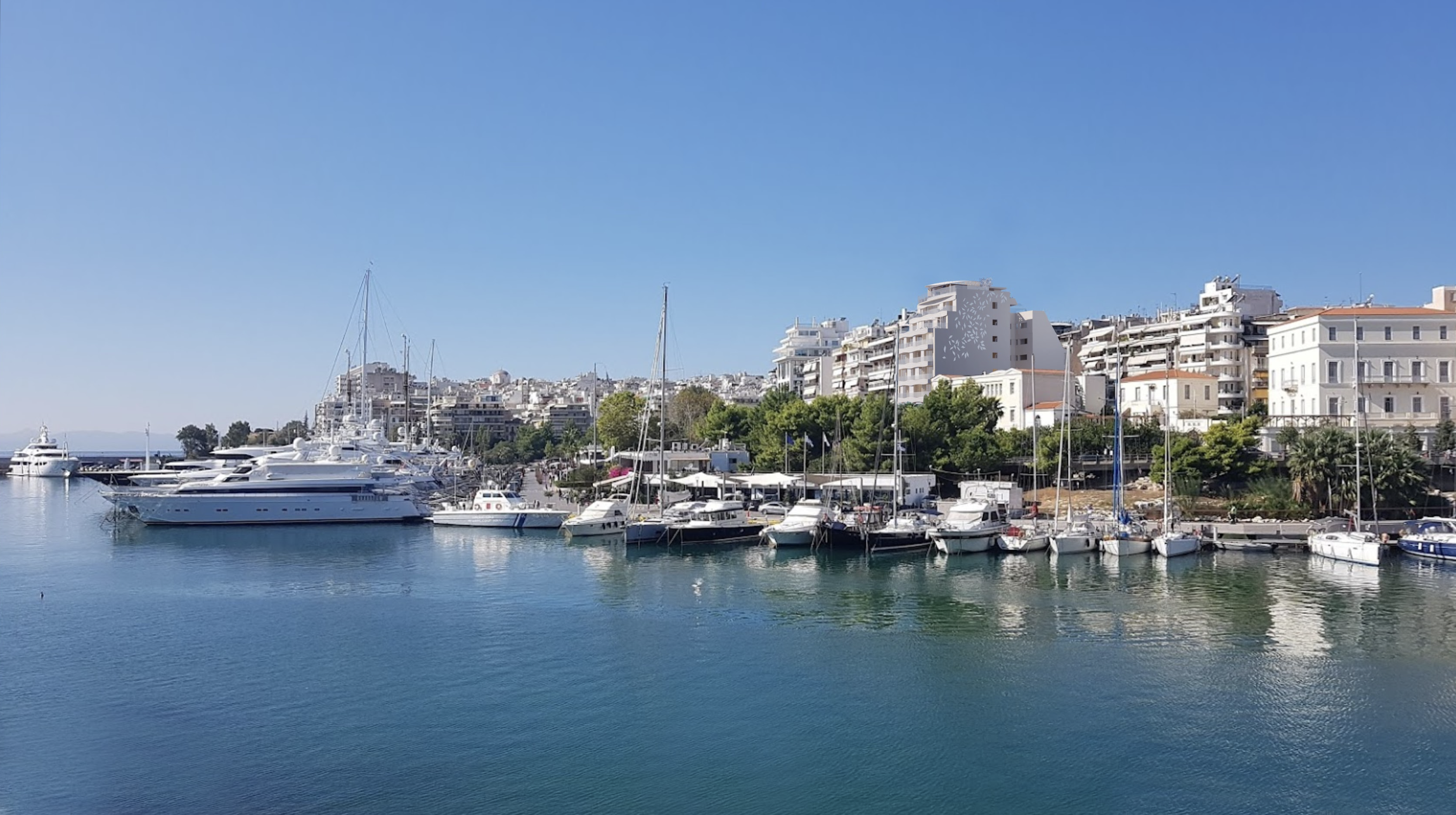
Rendering of Wyndham DKG, Greece. Courtesy of TRUSTMONT CAPITAL LTD

Rendering of Wyndham DKG, Greece. Courtesy of TRUSTMONT CAPITAL LTD
That doesn’t mean other markets lack potential. In virtually any market, you can find a property capable of outperforming the market or appreciating even when the market as a whole is stagnating. What matters then is the specific location, limited supply, the entry price, the quality and concept of the project, and future demand.

Rendering of Adria Residence, Albania. Courtesy of TRUSTMONT CAPITAL LTD

Rendering of Adria Residence, Albania. Courtesy of TRUSTMONT CAPITAL LTD
Are there markets where investors are better protected?
Yes — Germany, for example. There is a distinct investment niche there: financing the renovation of listed historic buildings.
At the initial stage, a private investor provides the developer with financing to acquire the property and launch the project. The apartments are sold to end buyers before the renovation even begins. For them, such properties are attractive, not least because of the tax incentives German law provides for heritage-listed buildings.
For the investor, what matters most is how the financing is secured. It can be backed by a first-ranking Grundschuld — a land charge registered in the German land register that gives the lender a priority claim on the collateral. That is why such deals attract not only private investors but also professional lenders and investment firms.
In the projects we are currently working on, this kind of financing can offer 12–15% a year. Even so, this security does not guarantee that the investor will get the full amount back.
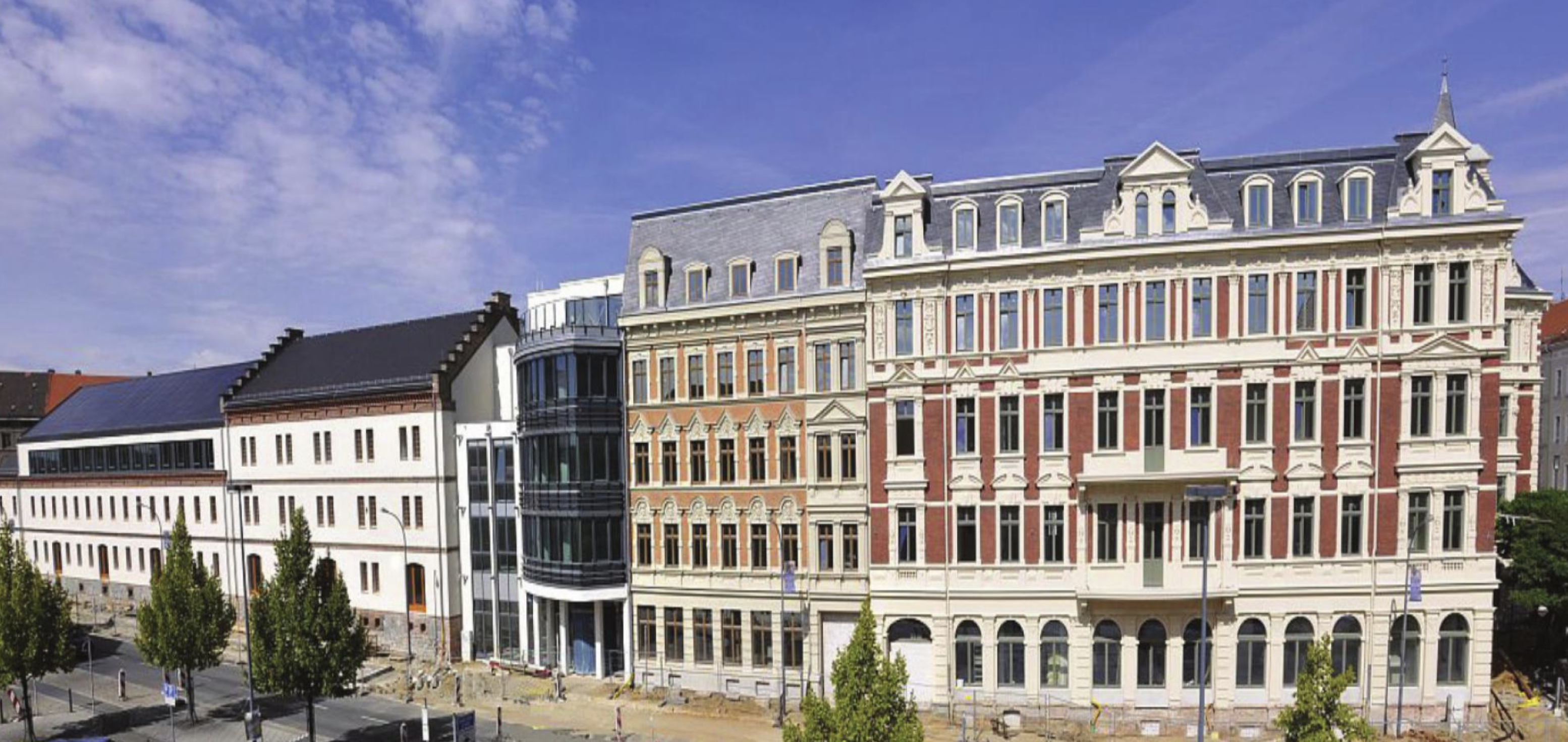
A renovation project in Germany. Courtesy of TRUSTMONT CAPITAL LTD
A Hotel Room as an Entry Point
What should investors look for when choosing property for passive income?
It’s worth remembering that advertised and actual yields are often two different numbers: marketing calculations don’t account for all the costs and risks.
For example, some offers promise 7–9% a year on residential property in Turkey. But not everyone takes into account that short-term rentals there require a special license — and, from what we’ve seen, most residential complexes don’t have one.
It also happens that the management company doesn’t disclose the real number of guests to the investor. As a result, the advertised 7–9% can turn into an actual 3–4%.
With a passive income strategy, we work not with countries but with specific properties. It’s important to us that the investor understands where their income comes from, who manages the property and how the real yield is calculated.

Rendering of Land of Tomorrow, Larnaca, Cyprus. Courtesy of TRUSTMONT CAPITAL LTD

Rendering of Land of Tomorrow, Larnaca, Cyprus. Courtesy of TRUSTMONT CAPITAL LTD
Which property format is best suited to this type of income?
Hotel real estate, first and foremost. In this case, the investor buys a turnkey business — a fully equipped hotel room — and receives official occupancy reports.
We work with properties managed by international hotel chains. These operators have their own customer base and loyalty programs with millions of members, so the owner doesn’t have to look for guests themselves.
For a first-time investor, this is one of the simplest formats — the management company takes care of most operational matters.
What is the entry point into hotel real estate?
From $50,000 if you buy a share of a room. A whole room starts at $150,000. Returns depend on the location.
That said, hotel real estate doesn’t work everywhere. In Dubai, for instance, yields on this type of investment are relatively low.

Rendering of Shekvetili, Autograph Collection. Courtesy of TRUSTMONT CAPITAL LTD

Rendering of Shekvetili, Autograph Collection. Courtesy of TRUSTMONT CAPITAL LTD

Rendering of Aquamarine (INNSiDE by Meliá, Juan Dolio). Courtesy of TRUSTMONT CAPITAL LTD

Rendering of Aquamarine (INNSiDE by Meliá, Juan Dolio). Courtesy of TRUSTMONT CAPITAL LTD

Rendering of Aquamarine (INNSiDE by Meliá, Juan Dolio). Courtesy of TRUSTMONT CAPITAL LTD
Are there risks that no legal due diligence will uncover?
Yes, and that’s where experience helps. In one resort market, a developer failed to complete his projects, and investors lost tens of millions of euros. He later registered a new company in another country, with different founders, and started selling new projects. There is no legal link between the two companies. But we have reason to believe the same people are behind the new business: its advertising even reuses the old materials.

Six Questions to Ask Yourself Before Buying Property Abroad.
Maria Hrechko’s Checklist
1. Why do I need this property — to generate income, to preserve capital, or for my own use? The goal shapes everything: the country, the type of property, the management model, the acceptable return, and the level of risk.
2. Do I understand the local market and its rules? Taxes, property registration, rental regulations, tenant protections, restrictions on foreign buyers — all of these can differ substantially from what you’re used to.
3. Who will manage the property, and how reliable are they? A property far from home needs to be managed. Choose the wrong manager, and you lose income.
4. What is the real return after all costs? Factor in taxes, utilities, insurance, repairs, vacancy periods, and management fees. Gross yield ≠ net yield.
5. How liquid is the property? Can it be sold quickly? Is there demand for this type of property? How are prices trending in the area? Liquidity is a key safety factor.
6. What risks am I taking on? Country, economy, tenants, legal nuances, currency fluctuations, the condition of the property. An investor needs to understand exactly what could go wrong.
What is your overarching goal for the coming years?
We want to build a culture of informed real estate investment in Ukraine. An informed investor doesn’t fall for marketing promises and attractive numbers in ads. They scrutinize the offer, ask questions about the risks and, above all, think about who they will be able to sell the property to in the future.


